Hair Growth Cycle

Understanding the Hair Growth Cycle

Hair grows in a natural cycle that includes growth, transition, rest, and shedding phases. At any given time, each hair follicle is in a different stage of this cycle. Daily hair shedding is a normal part of healthy hair renewal. Problems arise only when this cycle gets disturbed.

  1. Anagen (Growth Phase): Active hair growth phase that lasts several years
  2. Catagen (Transition Phase): Short phase where hair growth slows down
  3. Telogen (Resting Phase): Hair rests before shedding naturally

Know if your hair loss is normal or not Book consultation

normal hair loss

What is Normal Hair Loss?

Losing around 50–100 hair strands per day is completely normal and part of the natural hair growth cycle. This daily shedding allows old hair to fall out so new, healthy hair can grow in its place.

Common Situations Where Hair Loss is Normal

  • Seasonal shedding: Increased hair fall during weather changes
  • Post-stress hair fall: Temporary shedding after physical or emotional stress
  • Temporary hair thinning: Due to diet changes, illness, or lifestyle imbalance
normal hair loss

When to Worry

If excessive hair fall continues for more than 3 months, or you notice visible thinning, bald patches, or widening part lines, it may indicate an underlying problem.

Not sure if your hair fall is normal? Get expert advice
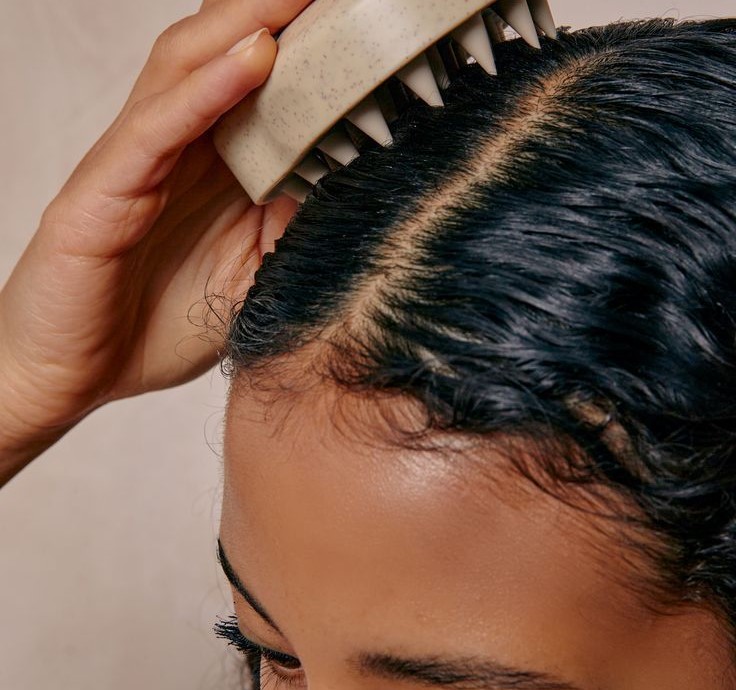
Common Reasons for Hair Loss

Hair loss can occur due to a combination of internal and external factors affecting the scalp and hair follicles. Identifying the exact cause is essential for choosing the right treatment and preventing further hair thinning.

Stress & Lifestyle Imbalance

Chronic stress, lack of sleep, and irregular routines disrupt the hair growth cycle, pushing more hair into the shedding phase and causing sudden hair fall.

Poor Nutrition & Vitamin Deficiency

Hair requires protein, iron, biotin, and essential vitamins to grow strong. Nutritional deficiencies weaken hair follicles and lead to thinning and excessive shedding.

Hormonal Changes

Hormonal imbalances such as thyroid disorders, PCOS, pregnancy-related changes, or high DHT levels can significantly affect hair growth and cause hair loss.

Genetic Hair Loss

If hair loss runs in your family, you may develop male or female pattern baldness. Genetic hair loss progresses gradually and needs early medical intervention.

Excessive Styling & Chemical Treatments

Frequent use of heat tools, hair coloring, straightening, and harsh chemicals damages the scalp and weakens hair roots over time.

Pollution & Environmental Damage

Exposure to pollution, hard water, and UV rays leads to scalp buildup, inflammation, and weakened hair follicles, resulting in increased hair fall.

Find the exact cause of your hair loss – Book diagnosis

Hormonal Imbalance & Hair Loss

Hormones play a crucial role in regulating the hair growth cycle. When hormonal levels become imbalanced, hair follicles can weaken, leading to increased hair fall, thinning, and slowed regrowth.

Common Hormonal Causes of Hair Loss

Thyroid Imbalance: Both hypothyroidism and hyperthyroidism can cause excessive hair shedding
PCOS: Hormonal disorder in women that leads to hair thinning and scalp hair loss
Pregnancy & Menopause: Sudden hormonal changes can trigger temporary or long-term hair fall
Testosterone (DHT): High levels of DHT shrink hair follicles, leading to pattern hair loss

Doctor’s Note

Hormonal hair loss cannot be treated with home remedies alone. Proper diagnosis, blood tests, and medical supervision are essential for effective and long-lasting results. Book a consultation.
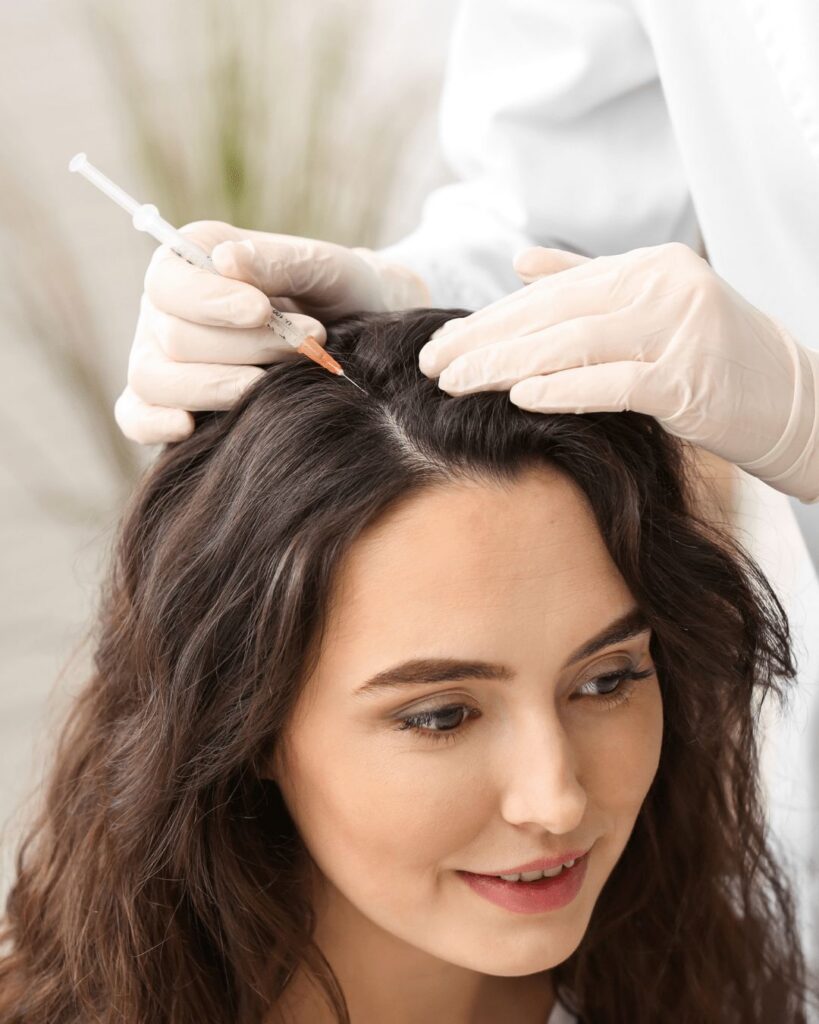
Medical Conditions That Cause Hair Loss

Certain underlying medical conditions can disrupt the normal hair growth cycle and lead to excessive hair fall, patchy hair loss, or thinning if not diagnosed on time.

Alopecia Areata

Sudden patchy hair loss caused by an autoimmune response

Scalp Infections

Fungal or bacterial infections that damage hair follicles

Autoimmune Diseases

Conditions where the immune system attacks hair roots

Nutritional Anemia

Low iron levels leading to weak hair and excessive shedding

Accurate diagnosis and treatment are provided by certified and experienced doctors using medically approved protocols.

Male Pattern Hair Loss (Androgenetic Alopecia)

Male pattern hair loss is a common condition caused by genetics and the hormone DHT, leading to gradual thinning of hair over time. Early diagnosis can help slow down or control further hair loss.

Common Symptoms

  • Crown thinning: Gradual hair loss at the top of the head
  • Receding hairline: Hairline moving backward, especially at the temples

Depending on the stage of hair loss, treatment may include medication, PRP therapy, or hair transplant procedures for effective and long-term results. Stop male pattern baldness early – Book consultation

Receding Hairline – Early Sign of Hair Loss

A receding hairline is often the first visible sign of hair loss in men, usually starting at the temples and gradually moving backward if left untreated.

Common Causes

  • Genetics: Family history of hair loss
  • Stress: Physical or emotional stress affecting hair growth
  • Hormonal Imbalance: Increased DHT levels impacting hair follicles

Why Early Treatment Matters

Treating a receding hairline at an early stage delivers better results, slows progression, and helps preserve existing hair.

Notice your hairline moving back? Act now

Hair Loss in Women

Hair loss in women usually appears as diffuse thinning across the scalp rather than complete bald patches. It often goes unnoticed in early stages and gradually increases over time.

Common Causes of Female Hair Loss

  • PCOS: Hormonal imbalance leading to hair thinning
  • Post-pregnancy Hair Fall: Temporary shedding after childbirth
  • Nutritional Deficiency: Lack of iron, protein, and essential vitamins
  • Stress: Physical or emotional stress affecting hair growth cycles

Female hair loss is common and treatable with the right diagnosis and personalized medical care. –Book consultation

Scroll to Top